
Employee Well-being in the Age of AI
Balancing innovation with empathy: how AI impacts mental health and employee engagement.
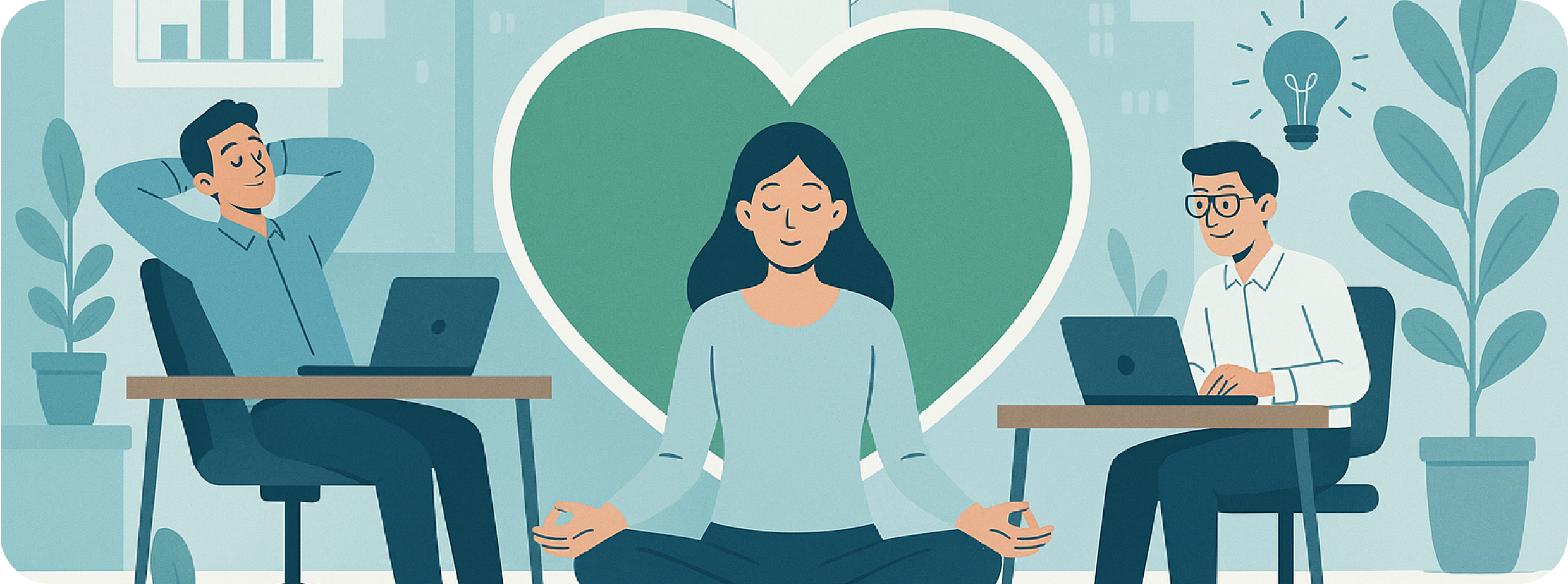
Artificial Intelligence is rapidly reshaping the workplace—from automating tasks to optimizing workflows. But alongside these benefits lies a growing concern: how do we protect employee well-being in a world increasingly driven by algorithms? As organizations adopt more AI tools, they must also recognize the psychological and emotional effects of this transformation.
Surveys show that over 60% of employees feel anxious about AI replacing their jobs. The stress doesn’t always stem from actual automation, but rather from uncertainty, surveillance, and lack of transparency. When AI is used for monitoring productivity, for instance, it can create a culture of mistrust and micromanagement—damaging morale.
On the other hand, AI can also enhance well-being. Advanced analytics can detect signs of burnout, personalized wellness platforms can suggest mental health resources, and chatbots can offer 24/7 support. The key is how these tools are implemented: with employee trust, data privacy, and ethical use as top priorities.
Leadership must strike a balance. AI should be positioned not as a threat, but as an enhancer of human potential. Integrating emotional intelligence training for managers, creating clear AI governance policies, and offering mental health days are just a few strategies that can help.
“Balancing AI integration with employee well-being is crucial for sustainable organizational growth.” — Dr. Emily Chen, Workplace Wellness Consultant, Deloitte Insights, April 2025